How to Design a Japanese Brush Calligraphy Logo That Truly Fits Your Brand
How to Design a Japanese Brush Calligraphy Logo That Truly Fits Your Brand

A Japanese brush calligraphy logo is a unique form of logo expression where Japanese identity, strength, and subtle delicacy coexist.
Even characters that appear simple at first glance can convey very different impressions depending on the flow of the brush, ink texture, and the use of negative space making brush calligraphy a surprisingly deep and expressive design approach.
Simply writing something with a brush does not automatically make it look “Japanese” or refined.
To bring out true visual impact, it is essential to understand the unique characteristics of brush calligraphy and pay close attention to detail.
In this article, we will introduce five practical tips for creating a brush calligraphy logo that looks confident, balanced, and memorable.
Whether you are considering commissioning a logo or designing one yourself, we hope these insights will help you build a brand identity that truly fits your vision.
1.Understand Calligraphy Styles
Learn the Characteristics of Kaisho, Gyosho, and Sosho
Finding Beauty in Imperfection
Unlike standard Mincho or Gothic typefaces, brush calligraphy logos often gain their character by intentionally breaking perfect balance and symmetry.
This controlled imperfection is what gives the design its personality.
That said, making a logo difficult to read is never the goal.
What matters is finding the right balance not too rigid, not too loose.
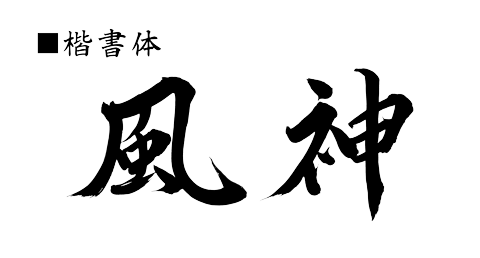
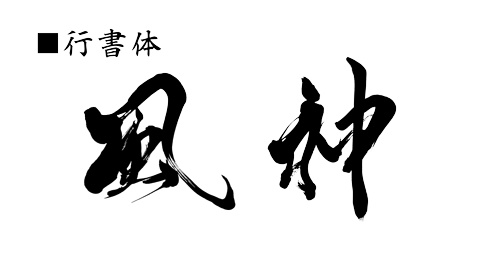
Typical brush calligraphy styles include:
❖Kaisho (Standard Script)
❖Gyosho (Semi-Cursive Script)
❖Sosho (Cursive Script)
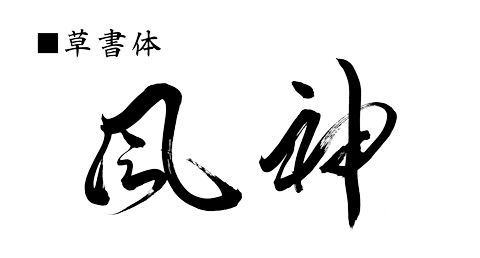
The key is to soften the structure without sacrificing readability.
By pursuing a sense of “refined imperfection,” you can create a brush logo that feels both natural and visually striking.
2.Vary Stroke Thickness
❖Bold strokes → Strength and confidence

❖Thin strokes → Delicacy and subtlety
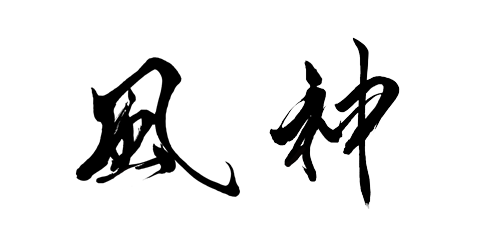
❖Combining thick and thin → Uniqueness and strong design character
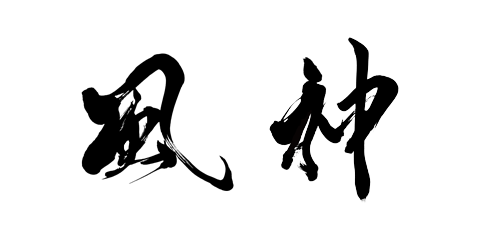
Stroke variation is not merely decorative.
It plays a crucial role in shaping the overall tone, elegance, and presence of a logo.
3.Add Distinctive Features
Creating a Logo That Stays in Memory
A logo is not just something that can be read it must be remembered.
What often makes the difference is whether the design has a clear visual “hook.”
In brush calligraphy logos, memorability can be enhanced by intentionally emphasizing specific elements, such as:
❖Highlighting stops, flicks, or ink textures
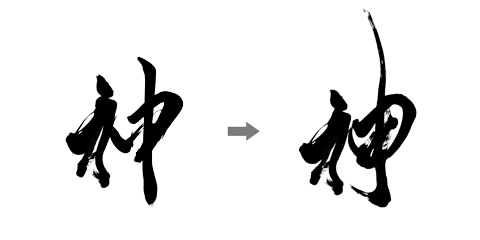
❖Making one character significantly larger or smaller to create contrast

In today’s digital environment where logos appear as social media icons or small signage instant recognizability is more important than ever.
Thoughtful visual accents help distinguish your brand from others at a glance.
4.Add Decorative Elements
Enhancing Both Design and Meaning
To further deepen the visual world of a brush calligraphy logo, decorative elements can be introduced alongside the lettering.
Common additions include:
❖Japanese-inspired symbols or motifs

❖Red seal–style stamps (hanko or rakkan), which evoke tradition, authenticity, and formality
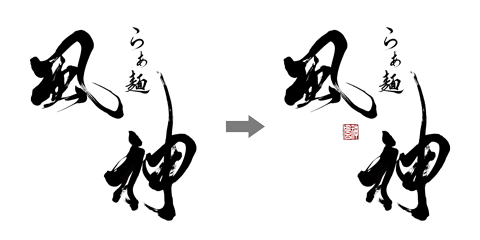
❖Digital fonts used for supplementary text
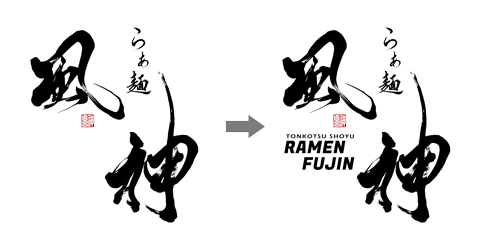
When used thoughtfully, these elements enrich the story behind the logo and strengthen its cultural and visual identity.
5.Refine the Layout
Creating Flow and Structural Balance
No matter how beautiful the brushwork may be, a logo will not feel complete without a well-considered layout.
Composition plays a critical role in how the logo is perceived as a whole.
Common layout approaches include:
❖Horizontal layouts
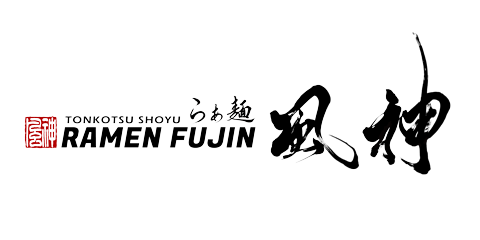
❖Vertical layouts
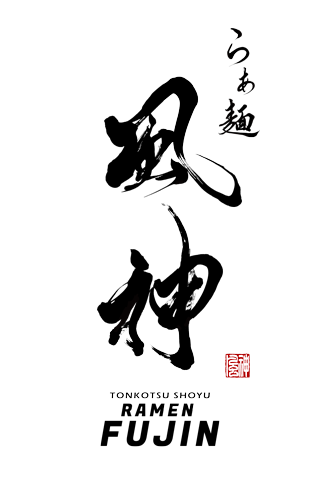
❖Diagonal compositions

Equally important are the use of negative space and the positioning of each element.
Generous spacing can convey sophistication and calm, while asymmetrical placement can introduce movement and dynamism.
Small layout decisions can dramatically change the overall impression of a logo.
Conclusion
True Impact Comes from Attention to Detail
A brush calligraphy logo may begin with the simple act of writing, but it contains a wide range of design considerations beneath the surface.
To create a logo with genuine impact and character, the following points are essential:
-
Understand calligraphy styles and their unique traits
-
Adjust stroke thickness to expand expressive range
-
Add distinctive features that enhance memorability
-
Use decorative elements to deepen meaning and context
-
Refine layout and composition for balance and clarity
By applying these principles, brush lettering evolves beyond text into a logo with presence, intention, and identity.
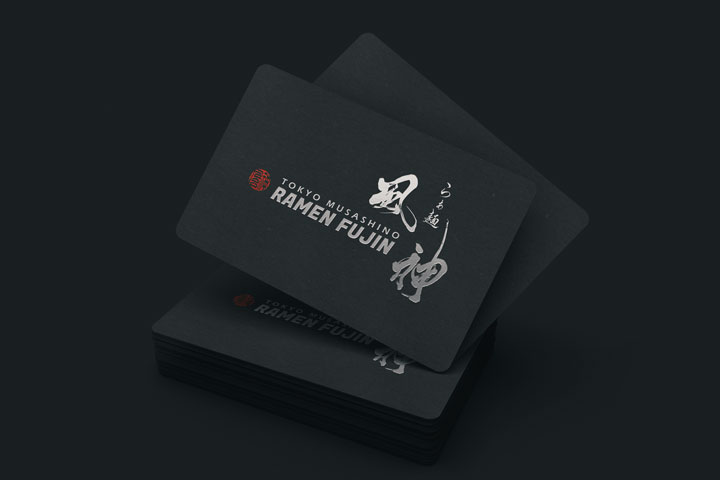
Consultation for Brush Calligraphy Logo Design
“Designing this myself might be difficult…”
“I’d like to consult a professional to create a brush logo that truly fits my brand…”
If you feel this way, I offer personalized consultations as a specialist in Japanese brush calligraphy logo design.
Each project is handled with care, balancing traditional Japanese aesthetics with modern usability.
No matter how small your question may be, please feel free to get in touch.
I would be happy to help you create a logo that reflects your brand with clarity and confidence.
Other Introduction
Japanese Logo Design Examples│Branding Case Studies for Businesses
For Those Considering a Logo Design
If you are thinking about creating a logo, please feel free to contact us.
Even if your ideas are not yet fully defined, that is absolutely fine.
We will listen carefully to your requirements and guide you through the process.